Intimate Health · 8 min read
Contraception Options in India, Explained Simply (2026)
Pills, condoms, IUDs, injections and emergency options compared on effectiveness, cost, side effects and where to get them, so you can decide together with facts.
By BrasilQ · 4 September 2026

Decide together, before you need to
Contraception is a couple's decision made calmly, not a last-minute scramble. The right method depends on health, plans for children, comfort and cost. This overview compares the common options available in India; a doctor or pharmacist confirms what suits you.
The main options compared
- Condoms (male/female): no prescription, protect against infections too, typical-use effectiveness ~85–98% depending on correct use; widely available and inexpensive.
- Combined oral pills: prescription recommended; very effective with daily use; may have side effects and are not suitable for everyone (e.g. some smokers over 35, certain health conditions).
- Copper IUD (Copper-T): long-acting (5–10 years), hormone-free, >99% effective; inserted by a doctor; available widely including government facilities.
- Hormonal IUD: long-acting, very effective, can lighten periods; inserted by a doctor; higher upfront cost.
- Injectable (DMPA): every three months at a clinic; effective; may affect periods.
- Emergency pill: for use after unprotected contact, not a regular method; most effective the sooner it's taken; available at pharmacies.
- Permanent methods: vasectomy or tubal ligation, for couples who are certain they're done having children.
Questions to ask the doctor
- 1Which methods suit my health history and age?
- 2What side effects should I expect in the first three months?
- 3What should I do if I miss a dose or a date?
- 4How does this interact with breastfeeding, if relevant?
- 5Which method also protects against infections? (Only condoms do.)
Myths worth dropping
Pills do not cause permanent infertility. Copper-T is not "only for women who already have children". Withdrawal and calendar methods have high failure rates in typical use. Emergency pills are not a substitute for regular contraception and should not be used repeatedly.
The complete guide
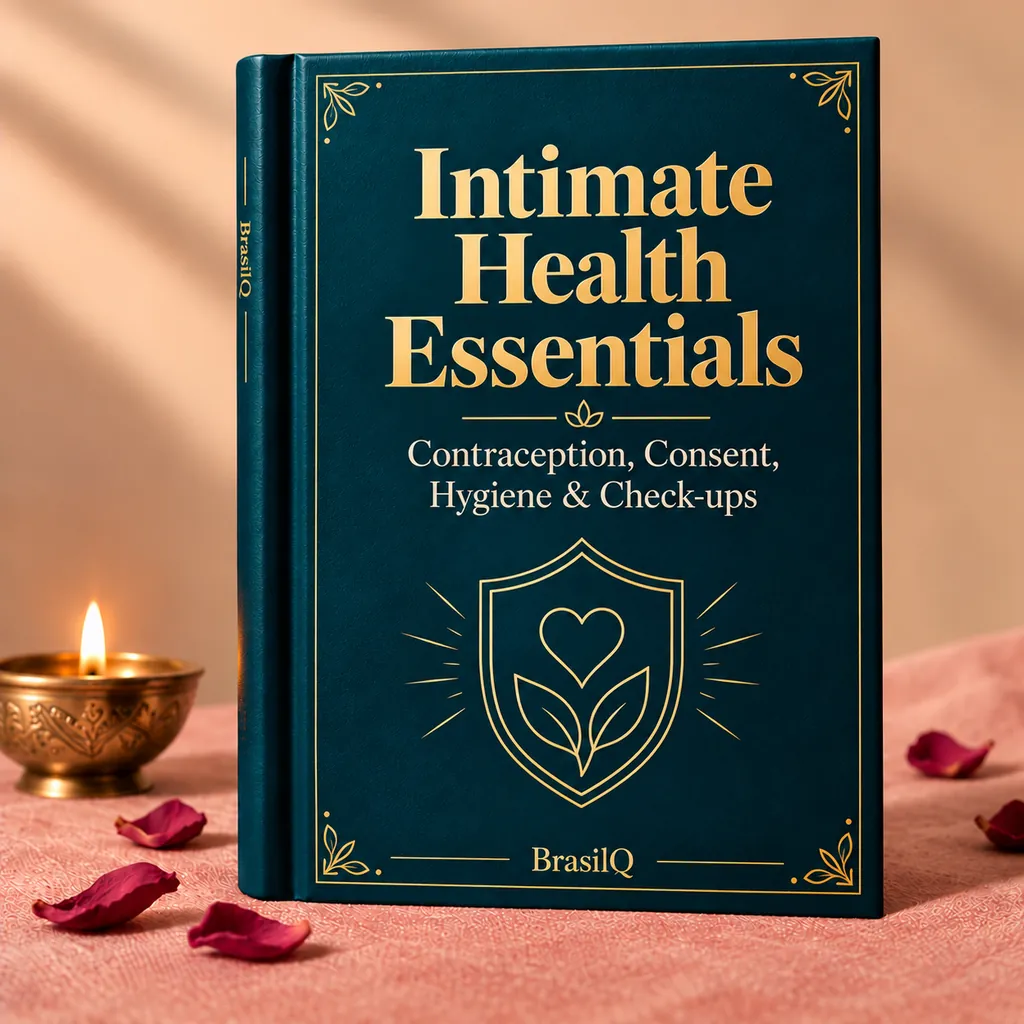
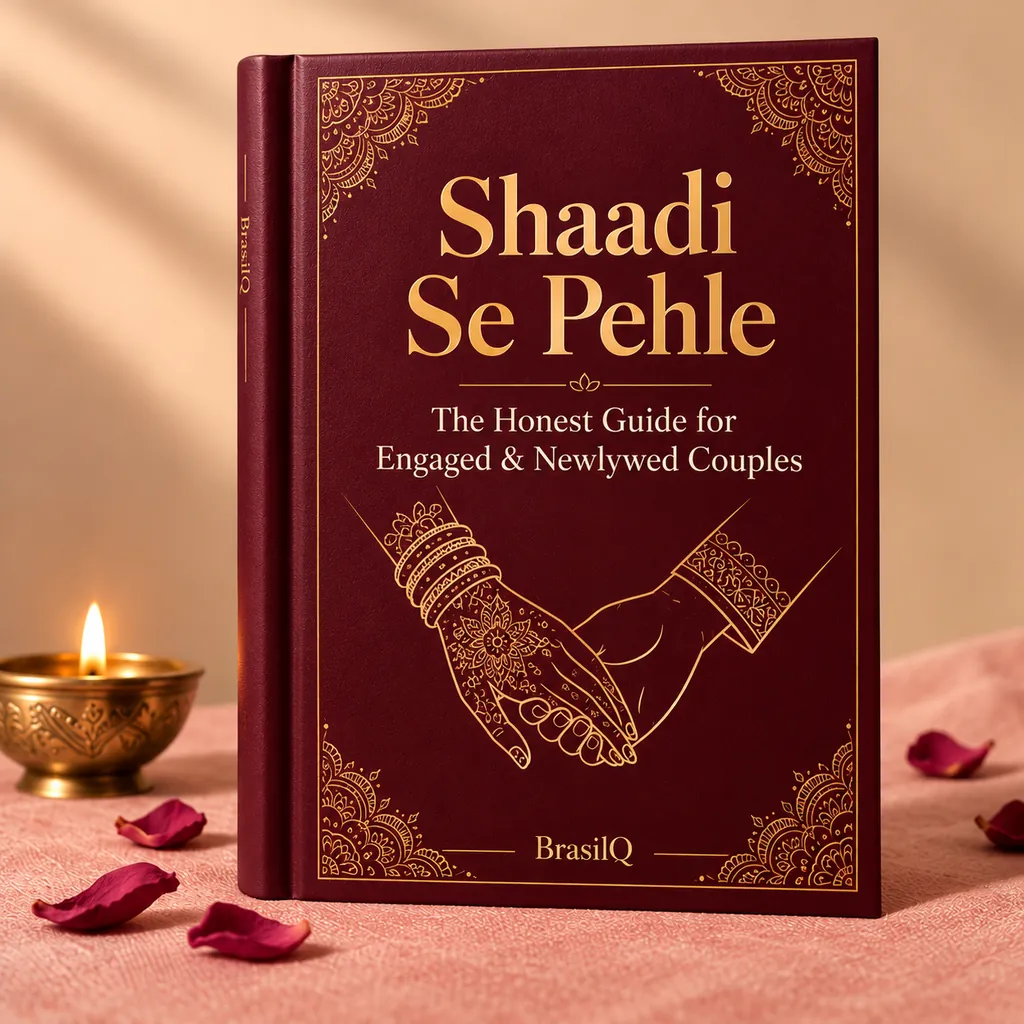
Intimate Health Essentials compares every method in tables, explains infections and testing, hygiene, consent and how to talk to a doctor discreetly. It pairs naturally with Shaadi Se Pehle for engaged couples.
Free download
30 Conversations for Deeper Intimacy
Printable question cards that help couples talk about closeness, desire and life together
Recommended
Guides mentioned in this article
Intimate Health
Intimate Health Essentials: Contraception, Consent, Hygiene & Check-ups (India)
Newlyweds
Shaadi Se Pehle: The Honest Guide for Engaged & Newlywed Couples

Bundles
The Newlywed Kit (3 Guides)
Keep reading